
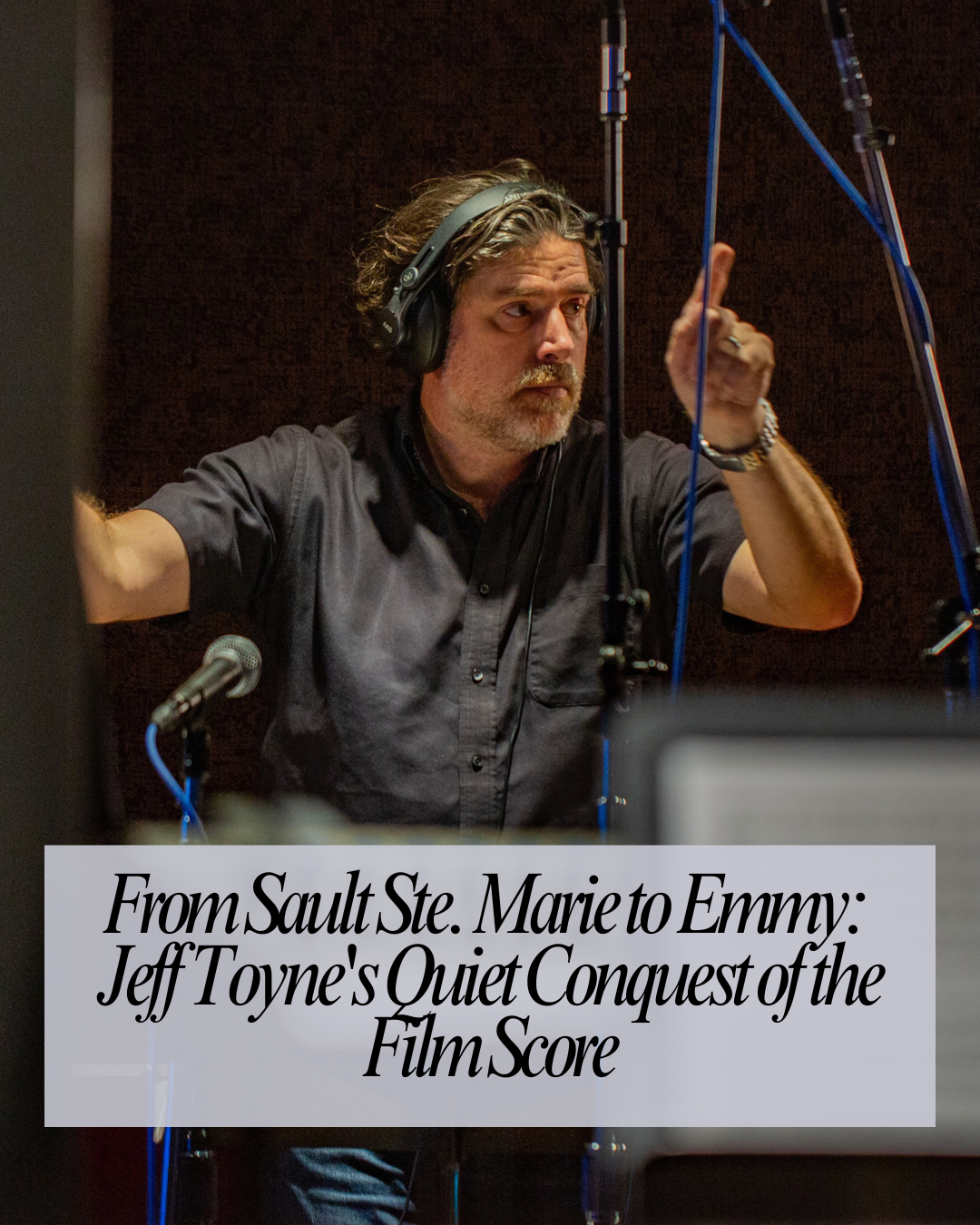
There's a particular kind of Canadian success story that unfolds slowly, steadily, and largely without fanfare. Jeff Toyne's is one of them.
Toyne was born in Sault Ste. Marie, Ontario, and first landed in Los Angeles in 1999 to attend the Henry Mancini Institute. It was there he discovered USC's scoring program, went home, and came back the following year to attend. Over two decades later, he's scored films and television seen around the world, worked with extraordinary collaborators, and in 2024, took home an Emmy Award for his theme for the Apple TV hit series Palm Royale. Not bad for someone whose website is famously, deliberately, devoid of information.
That contrast between accomplishment and understated presence is very much by design. While his IMDb and Wikipedia pages tell a straightforward story of a serious, working composer, Toyne's website leans into tongue-in-cheek mythology and fake awards. The inspiration? A theory he's held for years: "The more successful an artist is, the less biographical info can be found on their eponymous website. I thought I'd try having a rockstar level of info, or lack thereof, long before achieving actual rockstar status."
The spy-like aesthetic that eventually emerged wasn't entirely accidental either. Military service isn't the first thing you'd associate with a film composer, yet Toyne spent ten years with the Canadian Armed Forces Reserves in Vancouver. And the tradition runs deeper than you might think. "Henry Mancini, John Williams, Elmer Bernstein, Jerry Goldsmith, to name a few," he says, with the ease of someone who has clearly thought about this. For Toyne, the crossover makes perfect sense: "The training is very valuable, and surprisingly apropos to musical endeavours: discipline, setting and achieving goals through training, teamwork, being a part of something greater than the sum of its parts."
Being Canadian in Hollywood is its own particular experience. Close enough to feel familiar, foreign enough to notice the difference. Toyne describes the duality plainly: "We're not really foreign, but also not American either." And yet Canadian multiculturalism, he believes, is an asset in a creative industry built on range and adaptability. A good sense of humour helps too. "It can serve you well in tense, high-pressure moments."
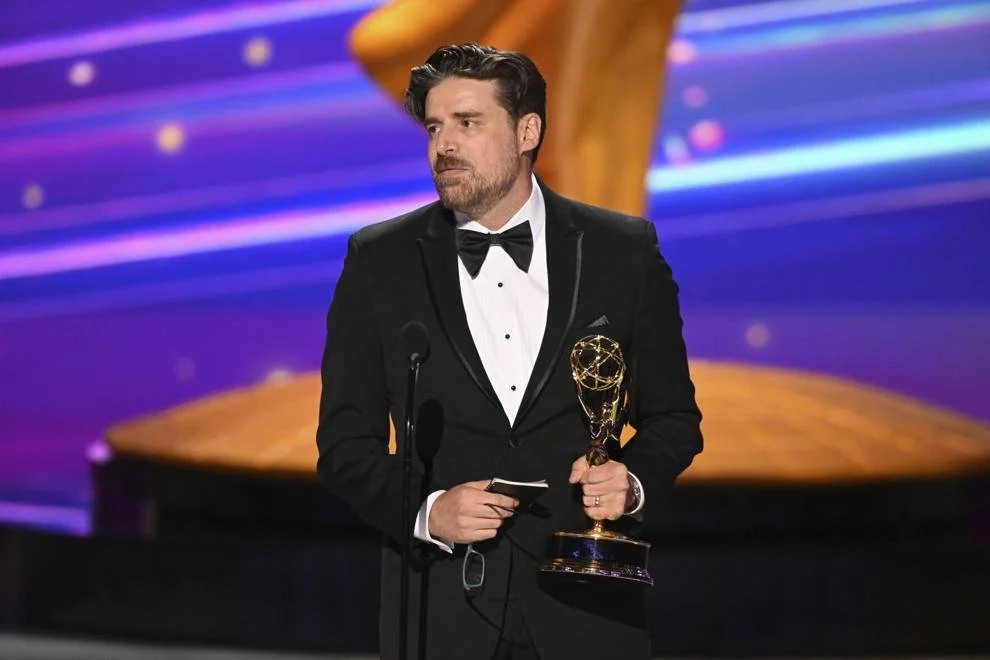
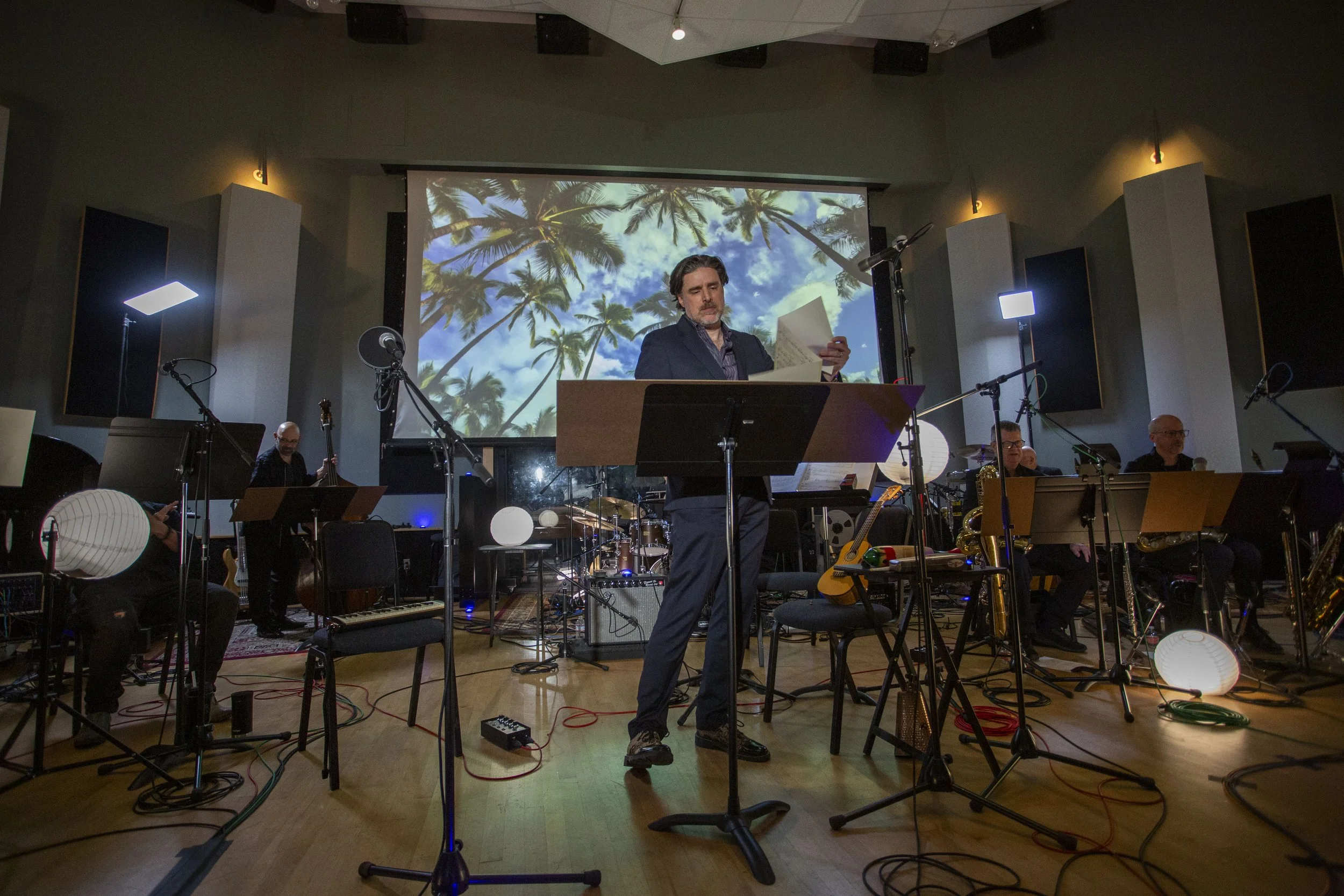
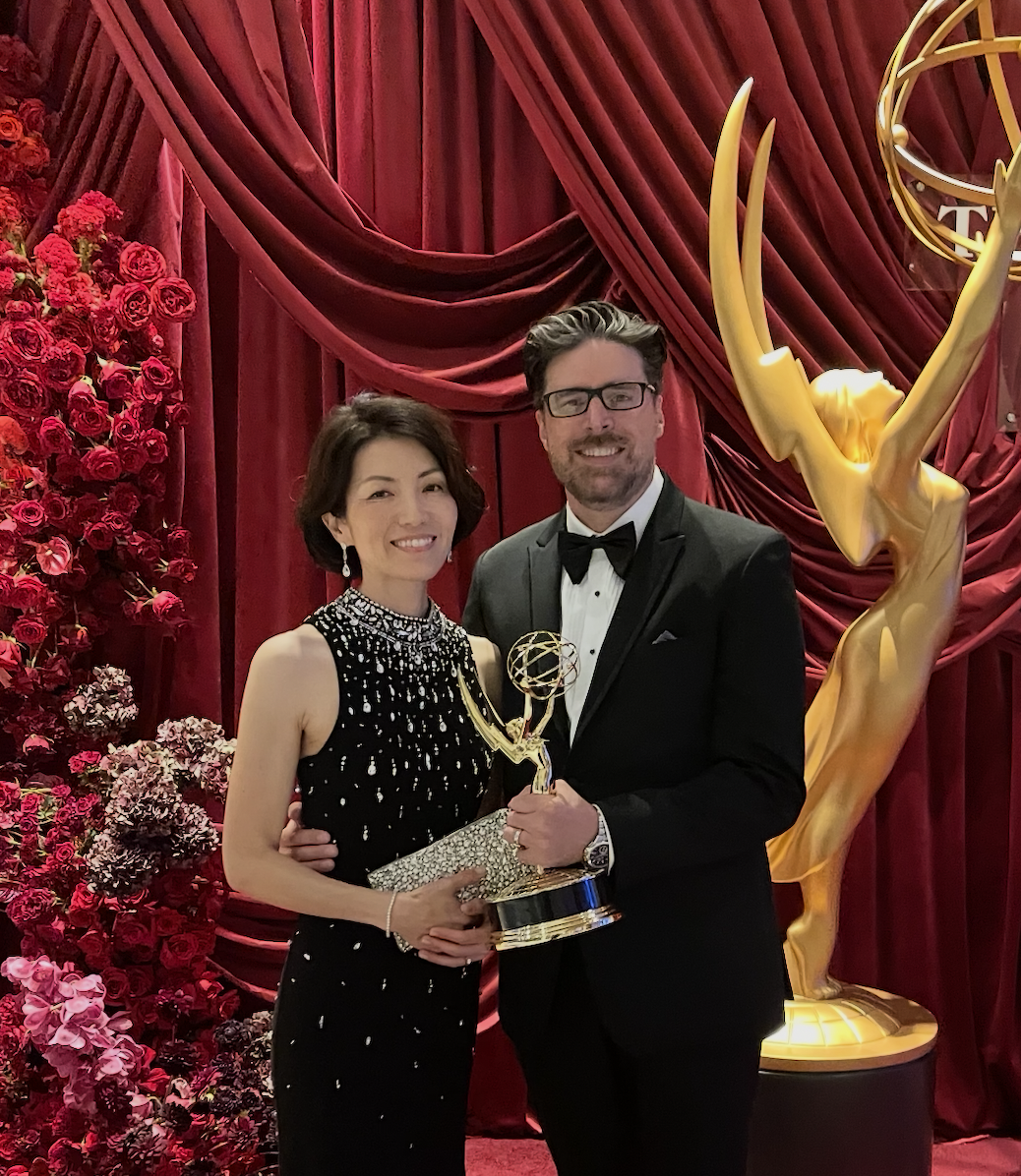
The Emmy for Palm Royale was a milestone that clearly meant something beyond the trophy itself. The score is everything Toyne champions: thematic, melodic, orchestrally rich, performed by live musicians. "Because this recognition came later in my career," he reflects, "I had an especially long list of people to thank who were supportive and inspirational along the way." It's the kind of gratitude that only accumulates with time.
Today, Toyne's life is as layered as his music. His family is international, his sense of home flexible and expansive. "Wherever the family is, that’s home for me," he says simply.
For young Canadians eyeing the industry south of the border and wondering if there's room for them, Toyne doesn't hedge. His advice is characteristically witty and completely sincere: "There is always a place in Hollywood for talented creators who are assiduous and affable. Having a thesaurus doesn't hurt."
Follow Jeff on Instagram.